
The Lugela District Government, the Community-Based Natural Resource Management Network (ReGeCom) and local communities have made a collective commitment to protect the Monte Mabu forest in Zambézia province through a conservation vision extending to 2046. The commitment includes combating illegal activities, preserving biodiversity and creating economic opportunities for the communities living around this important rainforest.
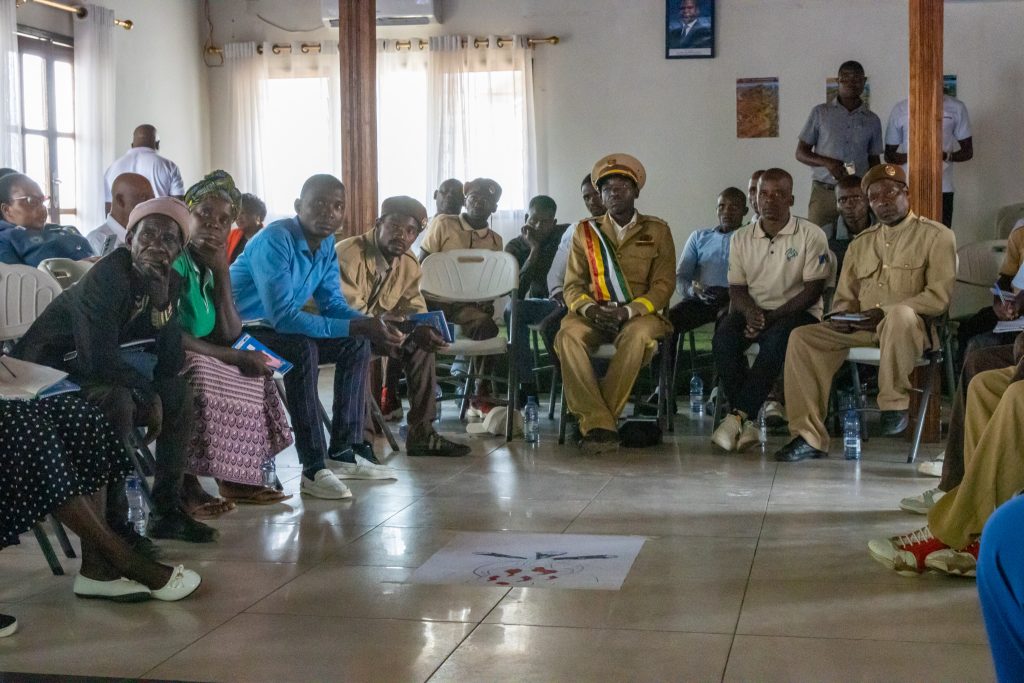
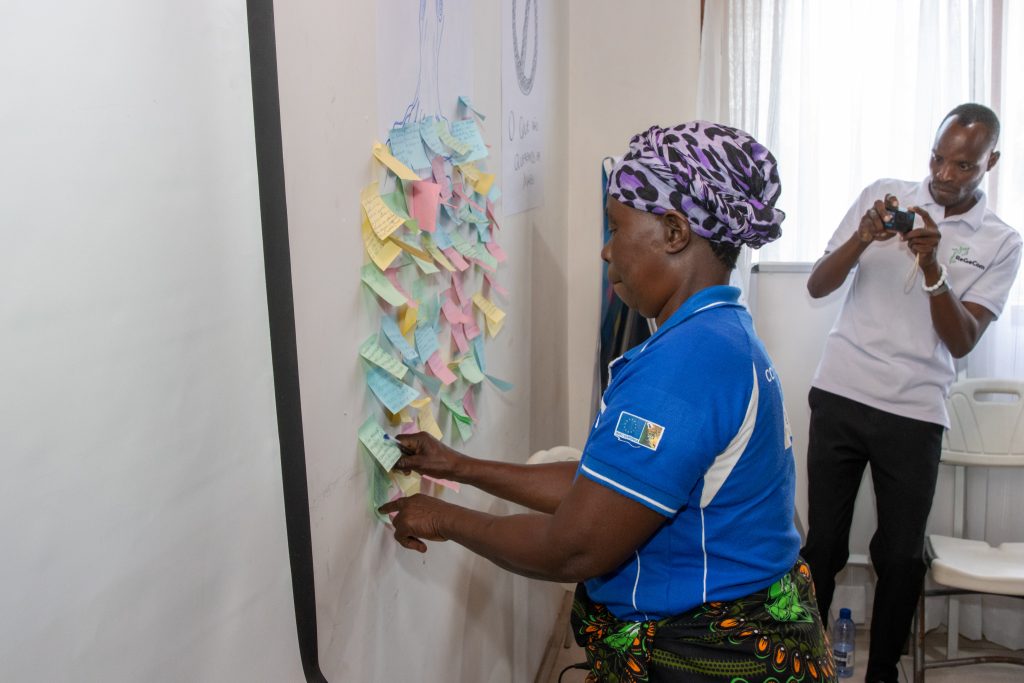
October 28th, 2026, may go down as a milestone in the history of conservation at Monte Mabu. At a workshop organized by ReGeCom in collaboration with the Lugela District Administration, community representatives, government authorities and conservation partners came together to design a vision for the future in which nature and local people can thrive together.
hs(The meeting follows the declaration of Monte Mabu as a Community Conservation Area in August 2026, through Ministerial Diploma No. 69/2026. This opened a new chapter in the protection of what is considered the only remaining mid-altitude rainforest in Southern Africa. Located in Lugela district, Zambézia province, the Monte Mabu forest is an ecosystem of high ecological and scientific value. It is internationally recognized for its biodiversity, its richness in plant and animal species, and its importance for the conservation of forest habitats. Often described as one of the region’s great botanical and ecological discoveries, the rainforest also holds potential for scientific research, environmental education and ecotourism development.
Speaking about the outcomes of the meeting, Guilhermina Machica, Administrator of Lugela District, gave a positive assessment of the discussions. She said the dialogue had helped consolidate a shared vision for the future of Monte Mabu.
“We have a very positive assessment of this meeting. There was a great deal of discussion to arrive at the vision we want for Monte Mabu. Local communities must be vigilant and committed to preventing illegal acts in the forest, so that this heritage becomes a leading tourist destination,” she said.
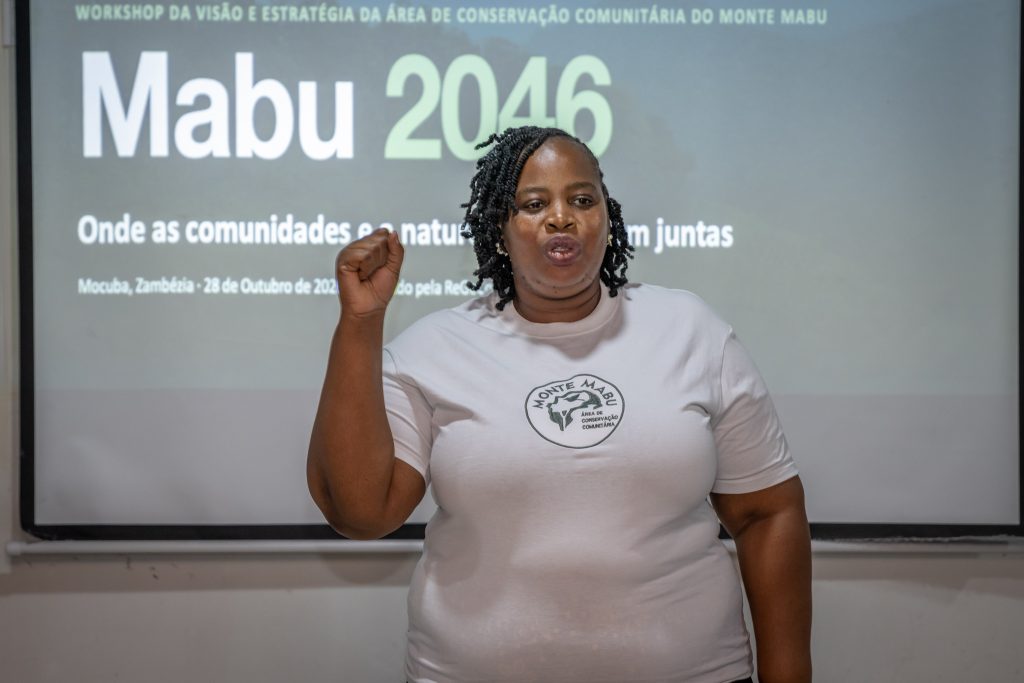
The Administrator also stressed the importance of respecting the traditions and cultural values of the communities living around the forest. She emphasized that tourist visits must observe traditional procedures and ceremonies. Machica further argued that all partners involved in conservation must act in line with Government policies and guidelines, respecting the communities and the principles agreed for the sustainability of the ecosystem.
“All the partners present left satisfied because we managed to reach alignment on what we want for the sustainability of Monte Mabu,” she added. The Administrator also invited partners, tourists and other interested parties to visit this natural heritage site, expressing confidence in its potential for tourism development.
“I invite all partners and tourists to visit Monte Mabu. It is a place that has everything it takes to succeed. It is the lung of Zambézia province, with more than 100 waterfalls and rich biodiversity, including endemic species,” she said.
(Protecting this forest has required a significant effort in resource mobilisation and community engagement.
José Monteiro, Executive Director of ReGeCom, explained that the meeting was organised to facilitate dialogue between the Government, local communities and partners. The aim was to define a joint strategy for continuing conservation efforts and supporting community development.
“We facilitated this meeting between the Government, local communities and partners to discuss how we will continue supporting communities in preserving the Monte Mabu forest. We decided to hold this meeting to build a vision for Monte Mabu up to 2046,” he explained.
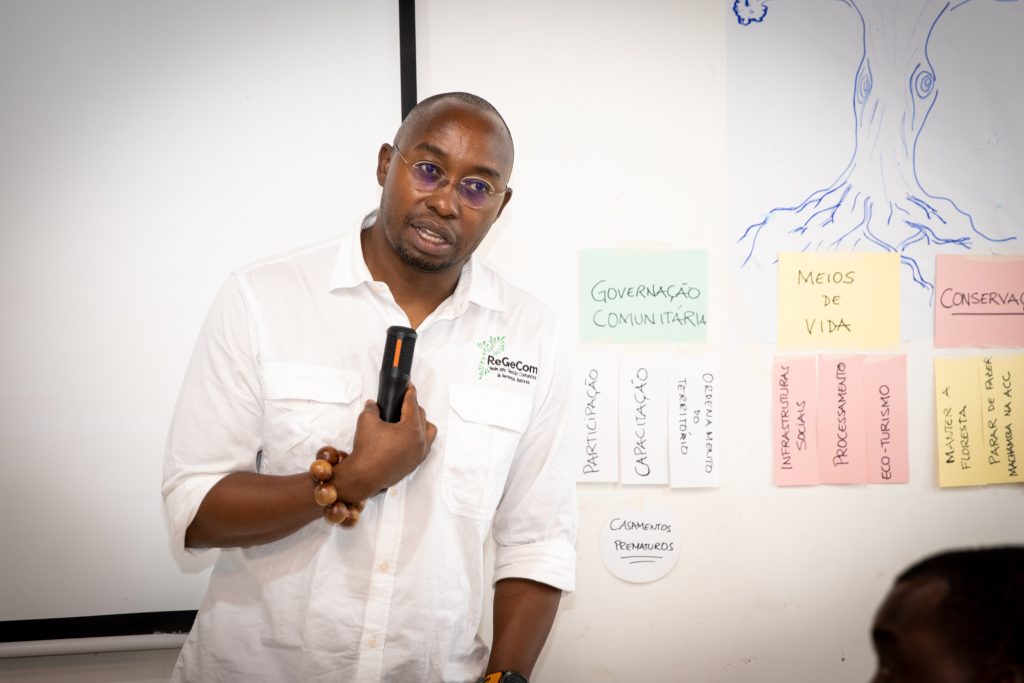
(Monteiro highlighted that one of the main achievements was the definition of guiding principles that should steer all interventions and investments in the region. The commitments made include putting local communities first, valuing and respecting the traditional customs of Monte Mabu, and promoting local processing of products and resources. The goal is to ensure that the economic benefits stay within the communities.
“We decided to respect the principles agreed at this meeting, such as putting local communities first, ensuring that nothing leaves Mabu without being processed locally, and ensuring respect for traditional customs. These principles must guide all partners and investments,” he said. The ReGeCom Executive Director further clarified that the organisation plays a facilitating role in building community governance at grassroots level. This creates the conditions for different partners and donors to channel their support according to the collectively defined strategic pillars. He believes the challenge also lies in finding mechanisms that allow local communities to access funds for the development of Monte Mabu, in line with the priorities and pillars defined at the meeting.
Over the past five years, ReGeCom, with funding from Rainforest Trust, has been contributing to the conservation of the forest. Its work has focused on consolidating community governance systems as the foundation for the sustainability of conservation efforts for this natural heritage.
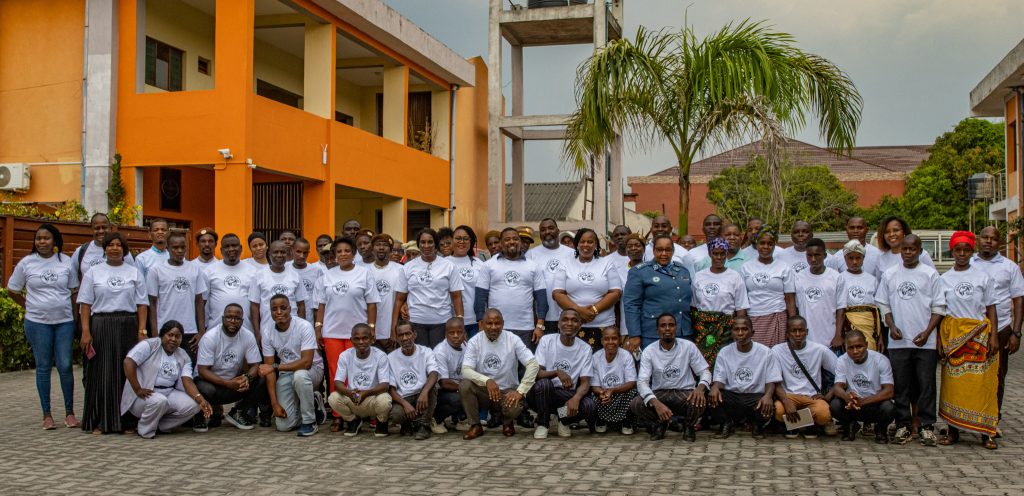
The workshop opened with a traditional ceremony (Mukuto). One of its most important moments was the stance taken by the representatives of the 11 communities living around the forest, who included community leaders and community committee presidents.
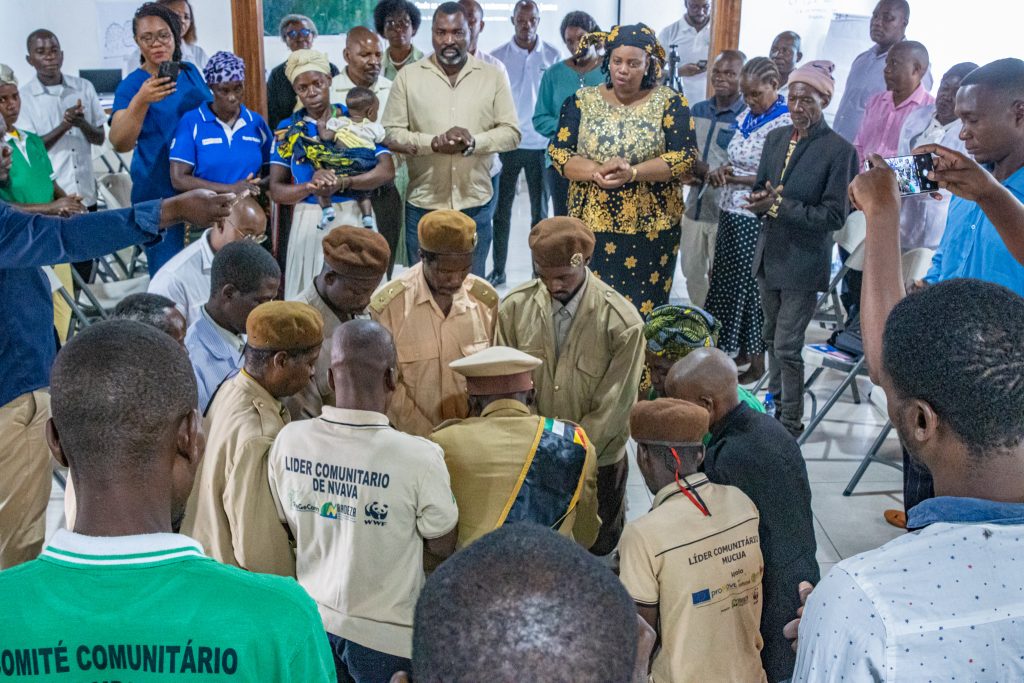
For Flora Muawila, Vice-President of the Ndavo Community Committee, the meeting strengthened collective awareness of the need to stop illegal activities, particularly logging and illegal mining.
“We talked here about forest conservation and the need to avoid logging and illegal mining activities. I would like to report that uncontrolled burning has decreased and poaching has also decreased,” she said. Her statement is an encouraging sign of the progress made in community engagement. It shows the importance of awareness-raising and of local people’s participation in protecting natural resources.
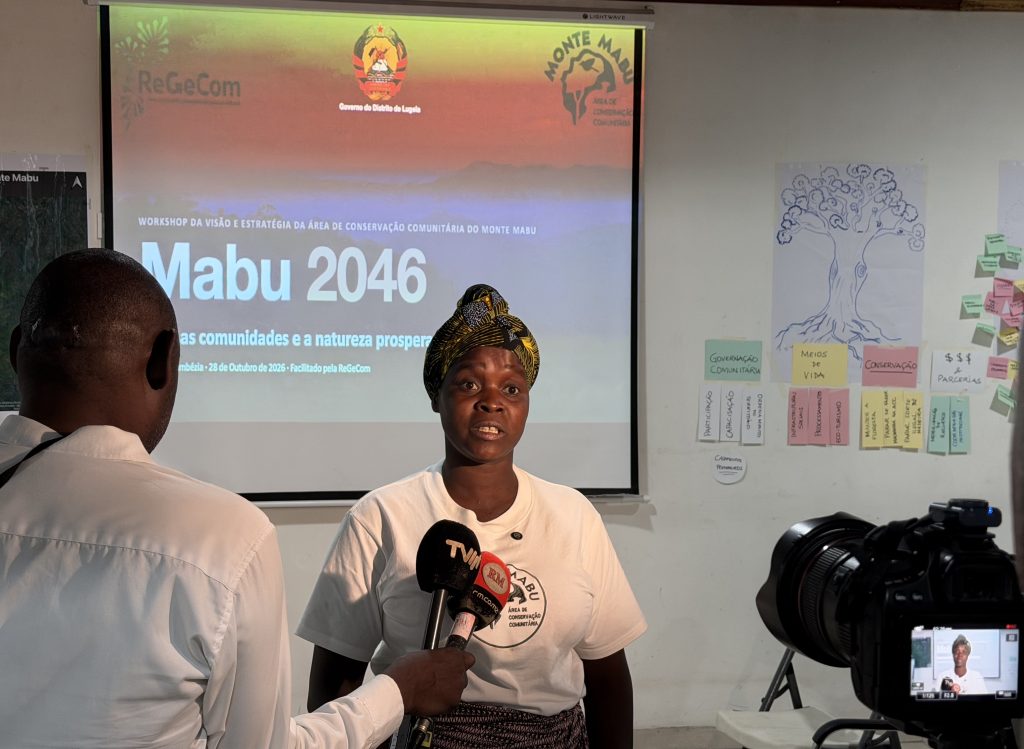
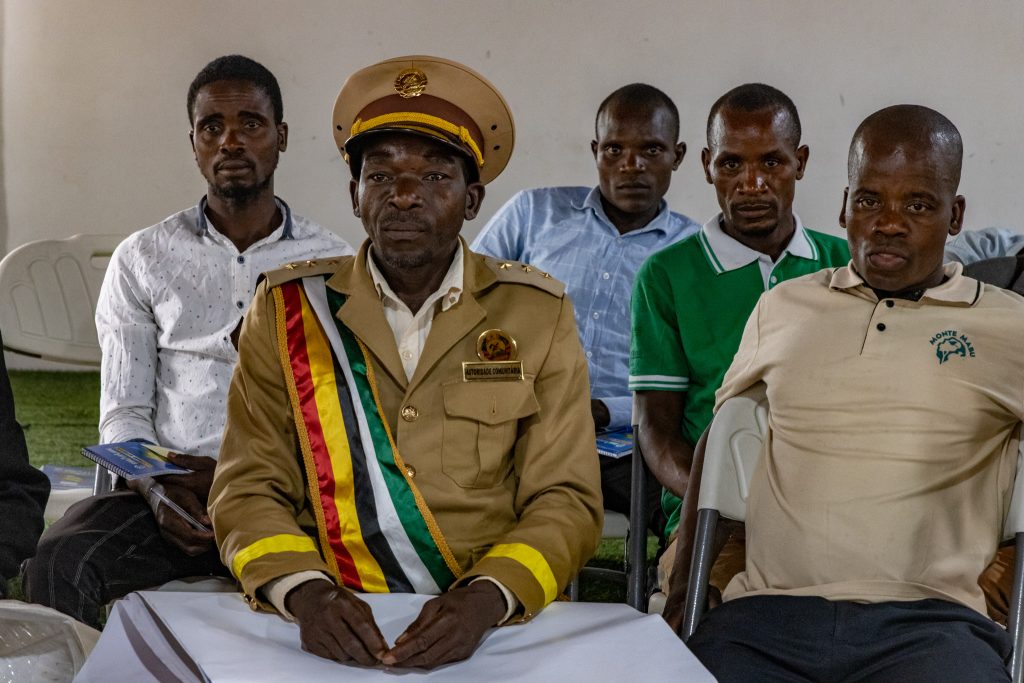
Community leaders and community committee presidents showed enthusiasm and willingness to take an active part in protecting the Monte Mabu forest. They recognised that the forest’s future also depends on decisions made by the communities themselves.
Daudo Socre, Régulo (traditional chief) of the Limbwe chieftaincy, highlighted the changes seen in the communities since the arrival of the partners working on the conservation of the Monte Mabu forest. According to the community leader, beyond forest protection, the dialogue also addressed important social issues. These included preventing early marriages, illegal hunting, illegal logging and other illicit activities.
“We also talked about the need to prevent early marriages, illegal hunting and illegal logging, among other activities. We didn’t have this knowledge before, but with the arrival of partners at Monte Mabu, a lot has changed. We now have more knowledge and have already managed to prevent many harms in our communities,” he said.
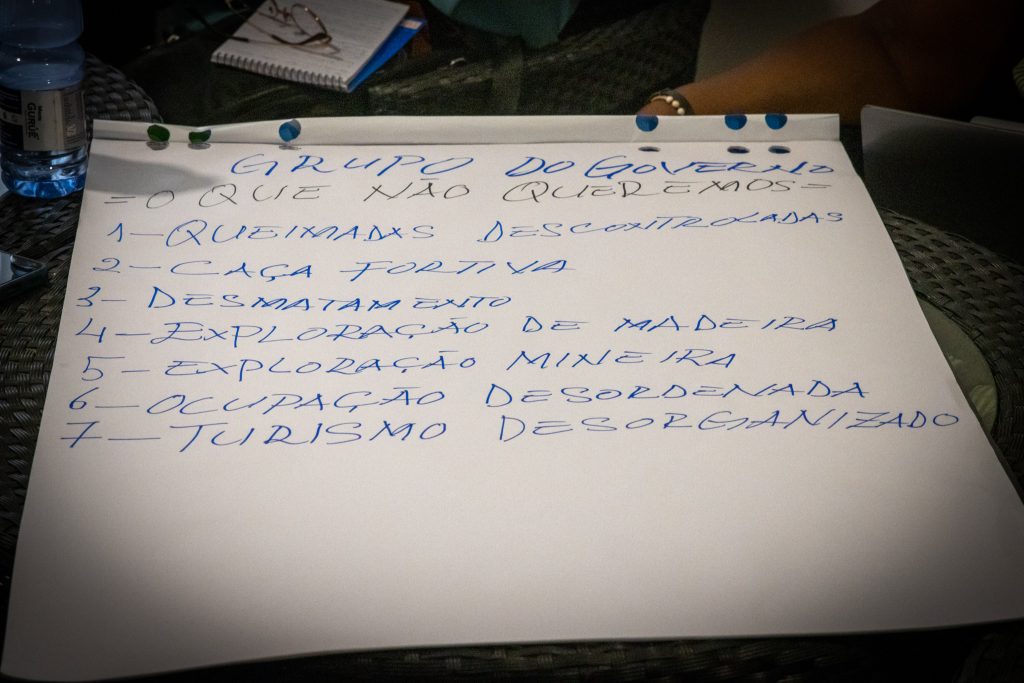
Collectively, the participants identified a set of activities that should no longer take place in the area:
- Illegal logging;
- Opening farm plots (machambas) inside the conservation area;
- Uncontrolled land occupation;
- Mining activities;
- Poaching;
- River pollution;
- Illegal fishing;
- Licensing of activities without consulting communities;
- Early marriages;
- Disrespect for traditional customs and values.
This position represents a commitment to shared responsibility. Communities are no longer merely beneficiaries of conservation initiatives, they are taking an active role in defending and managing their natural heritage. The vision built during the meeting establishes four core pillars to guide interventions in the forest and the communities over the next 20 years:
- Community governance: strengthening community participation in natural resource management, building the capacity, and community-level land-use planning.
- Livelihoods and development: investment in social infrastructure, local processing of products, adding value to natural resources, and promoting ecotourism.
- Conservation: keeping the forest intact, preventing the opening of farm plots, and combating illegal logging and other practices that threaten biodiversity.
- Financing and partnerships: mobilizing financial resources, strengthening partnerships, and promoting payment for ecosystem services mechanisms.
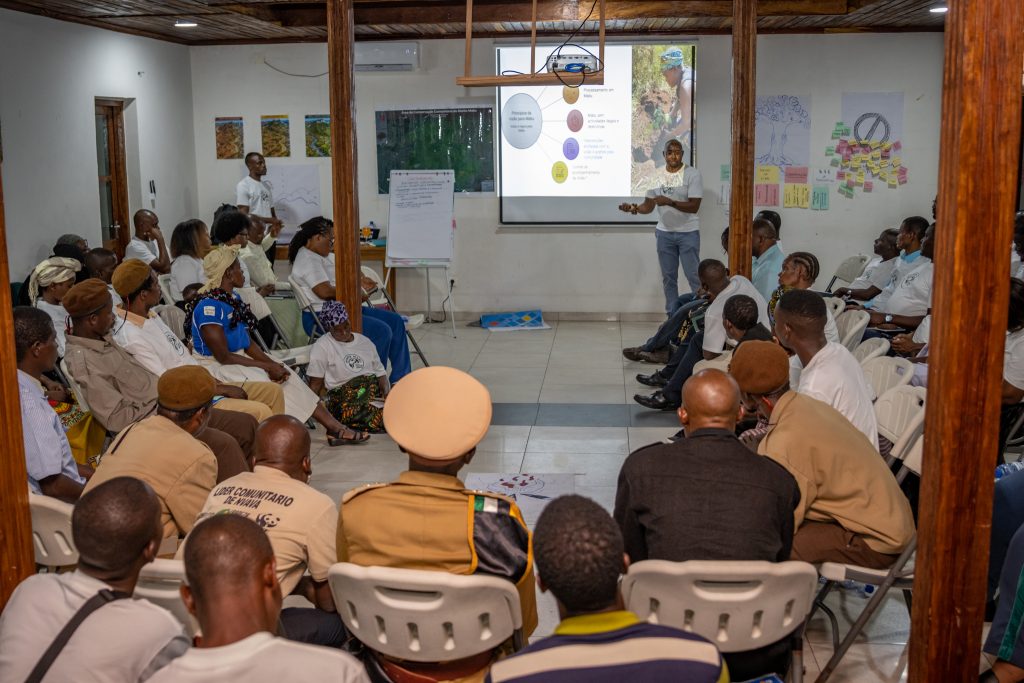
Participants also approved principles to guide the implementation of this vision: communities first, local processing in Mabu, no illegal activities, interventions aligned with community priorities, and the creation of a committee to monitor the vision. Another important moment was the presentation of the Monte Mabu Conservation Area brand. It was designed to serve as a symbol of identity, pride and collective commitment to the conservation of the forest.
The initiative also aims to create opportunities for the image and products associated with Monte Mabu to generate income for local communities.
The ambition is for forest protection to be seen not as an obstacle to development, but as an opportunity to create sustainable economic alternatives, add value to local resources and improve people’s living conditions.
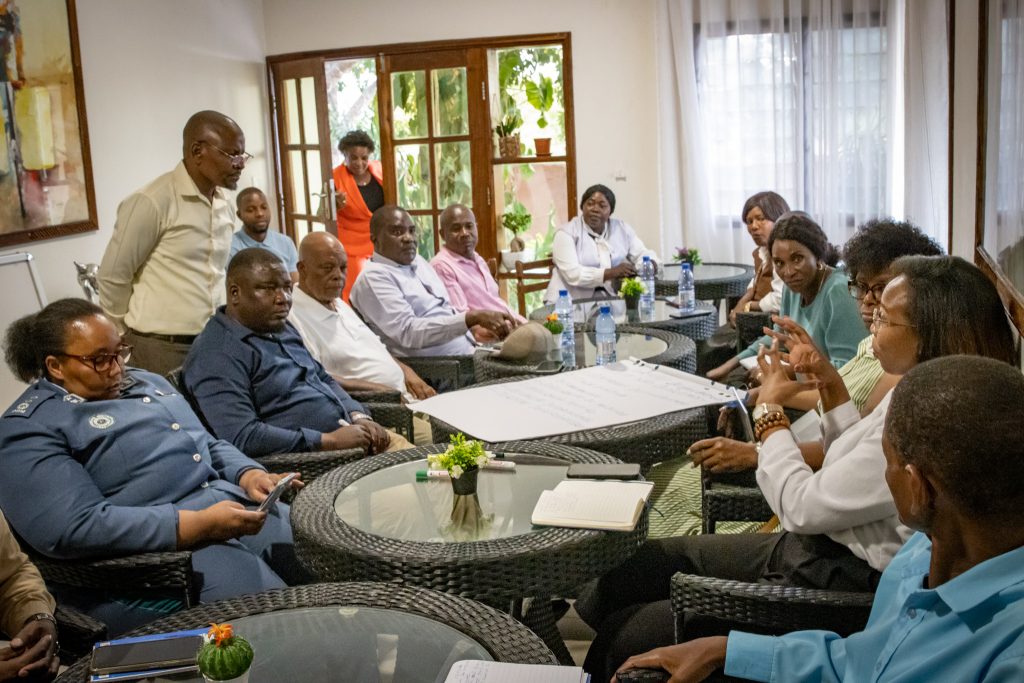
The presence of representatives of the Lugela District Government, the Public Prosecutor’s Office (through the Chief Provincial Prosecutor of Zambézia), the Provincial Directorate of Land, the Provincial Directorate of Tourism, the Provincial Environment Services and partners reinforced the institutional weight of the event and its commitments. The 2046 vision poses an important challenge. The decisions now taken must be turned into concrete action, with enforcement, monitoring, financing and the effective participation of communities.
The Monte Mabu forest is not only a natural heritage of Zambézia. It is also a heritage of national and international value, and its protection demands collective responsibility and continuity of the commitments made. The message from 28 October is clear: protecting the Monte Mabu forest means protecting biodiversity, defending rivers, valuing communities and ensuring that future generations find a living, healthy forest.
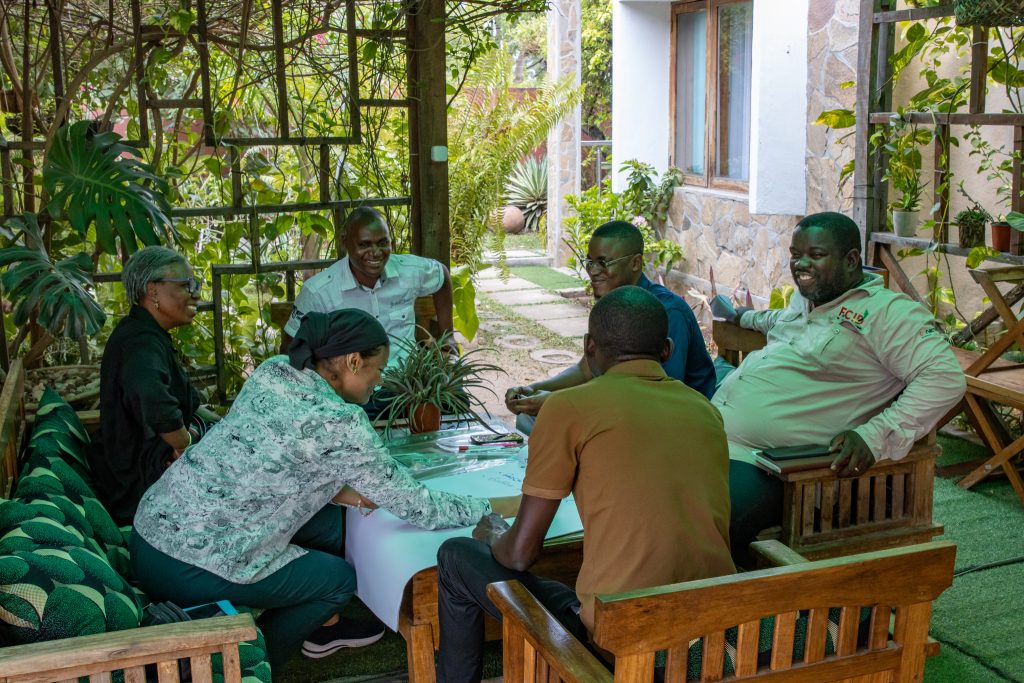
By 2046, the ambition is to achieve sustainable economic growth in which communities thrive, the forest remains intact, and illegal activities are no longer part of the reality of this unique natural landscape.
